

You didn’t train for three years and earn your NMC registration to spend every shift stretched across too many patients, stuck on a Band 5 salary, wondering if this is it. If that thought has crossed your mind, you’re not alone. Between 2021 and 2024, the number of nurses leaving the NMC register within five years of qualifying rose by 67% (RCN, 2025). Burnout is real. So is the desire for something more.
Aesthetics training won’t ask you to abandon your clinical skills. It builds on them. As an NMC-registered nurse or midwife, you already have the anatomy knowledge, the injection technique, and the patient assessment skills that aesthetic medicine demands. What you need is focused training to channel that expertise into a career that pays better, gives you more control, and still lets you do meaningful clinical work.
This guide breaks down why thousands of nurses and midwives across the UK are adding aesthetics to their careers, what the earning potential actually looks like, and how to get started.
Key Takeaways
- The UK aesthetics market is worth over £3.6 billion and growing at 10.2% annually (PolicyBee, 2025)
- Aesthetic nurses earn £40,000–£100,000+, compared to £31,049–£37,796 for NHS Band 5 (NHS Employers, 2026; Glassdoor, 2025)
- NMC registration gives you a competitive advantage as UK regulation tightens
- You don’t need to leave the NHS – many nurses build a portfolio career alongside their existing role

Why Are So Many Nurses Moving Into Aesthetics?
The UK aesthetics industry is now worth over £3.6 billion, with an annual growth rate of 10.2% (PolicyBee, 2025). That’s not a niche market. It’s one of the fastest-growing sectors in UK healthcare, and it needs trained medical professionals to meet demand.
In 2025, approximately 455,000 non-surgical cosmetic procedures were performed across the UK – up 12% on the previous year (Grand View Research, 2025). Anti-wrinkle injections and dermal fillers account for 65% of the market’s total revenue. Patients aren’t just walking into high-street salons for these treatments anymore. They’re actively seeking out qualified healthcare professionals, especially as awareness grows around safety and regulation.
So what does that mean for you? Put simply, there’s a skills gap. Demand for non-surgical treatments is outpacing the supply of trained, registered practitioners. Nurses and midwives who invest in foundation aesthetics training now are positioning themselves at the front of a growing market, not chasing it.
If you’re thinking about your next career step, our training pathways page maps out the route NMC-registered professionals can take with Avanti.
What Can You Earn as an Aesthetic Nurse?
A newly qualified NHS nurse starts at Band 5, earning £31,049 per year. Even at the top of Band 5, after four years, that’s £37,796. Band 6 senior nurses top out at £46,581 (NHS Employers, 2026/27). These are the ceilings. Aesthetic nursing has a different trajectory entirely.
The average UK aesthetic nurse salary sits at around £41,588 (Glassdoor, 2025). But that average hides a wide range. Nurses employed in established clinics typically earn between £30,000 and £60,000. Mid-level practitioners with two to four years of experience and a growing client base report salaries of £40,000 to £60,000 (Nurses.co.uk, 2025). And nurses who go independent, building their own clinic or mobile practice, regularly earn £70,000 to £100,000 or more.
We should be realistic here. You won’t earn six figures in your first year. Building a client base takes time, skill, and consistency. But the ceiling is substantially higher than anything the NHS pay bands offer, and you have direct control over your growth.
Could you see yourself earning more by working fewer hours? That’s the question many nurses ask after their first year in aesthetics.
Why Does Your NMC Registration Give You an Advantage?
The UK government has confirmed a new licensing framework for non-surgical cosmetic procedures, with a public consultation expected in early 2026 (GOV.UK, 2025). Under the proposed rules, high-risk procedures will be restricted to registered healthcare professionals operating from CQC-regulated premises. Your NMC registration isn’t just a qualification. It’s fast becoming your strongest professional asset in this space.
What does this mean in practice? As regulation arrives, unregistered and unqualified practitioners will face barriers they’ve never had before. NMC-registered nurses and midwives already meet the regulatory baseline. You’ve got the clinical governance training, the anatomy knowledge, and the professional accountability that patients and regulators increasingly expect.
There are currently 860,801 nurses, midwives, and nursing associates on the NMC register (NMC, September 2025). But only a fraction have aesthetics training. That’s where the opportunity sits. Patients want a registered medical professional performing their treatments. You already are one. You just need the specialist skills.
Explore how your registration fits into the broader picture on our training pathways page.
What Does Foundation Aesthetics Training Actually Cover?
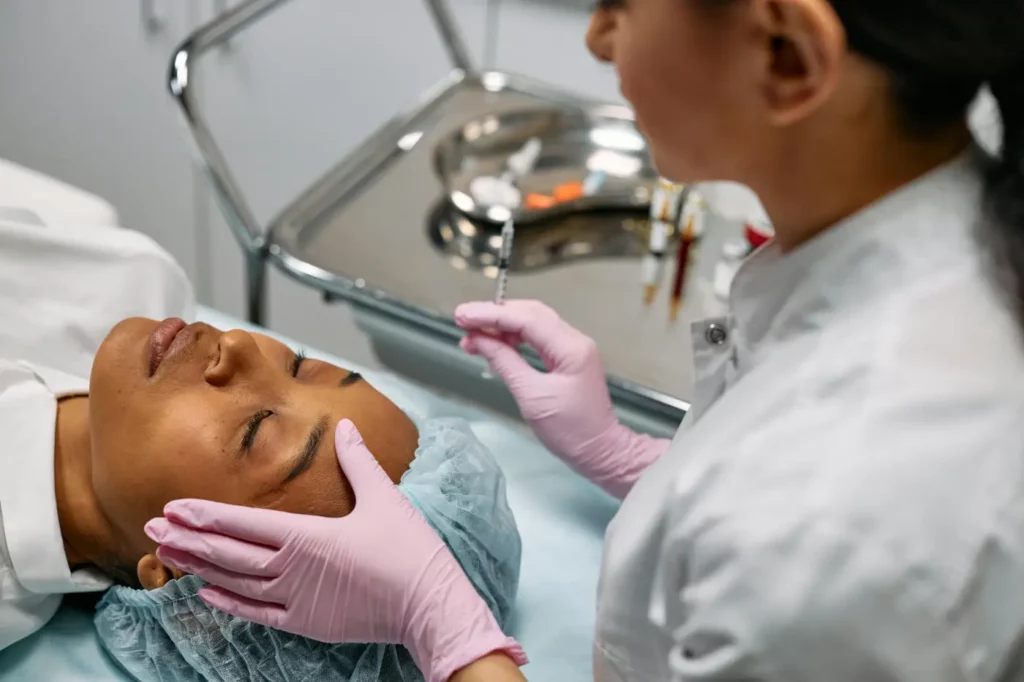
Anti-wrinkle injections and dermal fillers make up 65% of the UK aesthetics market’s revenue (PolicyBee, 2025). Foundation training teaches you the core clinical skills for exactly these treatments – the two most in-demand non-surgical procedures in the country.
At Avanti Aesthetics Academy, our Fundamental 5 (F5) foundation course is designed specifically for registered medical and healthcare professionals. It covers:
- Anti-wrinkle injection technique across the key treatment areas
- Dermal filler placement with a focus on facial anatomy and safety
- Patient consultation and assessment skills for aesthetic practice
- Complication management and when to refer
- Hands-on clinical confidence through supervised practice on real patients
Every delegate works on a 1:1 student-to-patient ratio. You’re not watching from the back of a room. You’re injecting, assessing, and building muscle memory under direct supervision from Dr Rikin Parekh, who has over 20 years of experience in aesthetic medicine and has trained more than 5,000 delegates.
We’ve seen first-hand how quickly nurses pick up these skills. Your clinical background means you’re not starting from scratch. You’re building on a foundation that most other professions simply don’t have.
One thing worth knowing: the F5 is open exclusively to registered medical and healthcare professionals, including NMC-registered nurses and midwives. This isn’t a beauty course. It’s medical training for medical professionals.
Can You Fit Aesthetics Around Your NHS Role?
Nearly 40% of NHS nurses report feeling burned out “often” or “always” (NHS Employers, 2025). If that figure resonates, you’ll want to know that you don’t need to quit the NHS to start in aesthetics. Most nurses begin with a portfolio career, keeping their existing role while building an aesthetics practice on the side.
Some start with just one or two clinic days per month. Others transition gradually as their client base grows. The flexibility is one of the biggest draws. In aesthetics, you choose your hours, your location, and the treatments you offer. There’s no rota dictating your weekends. No mandatory overtime. You’re running your own clinical practice on your own terms.
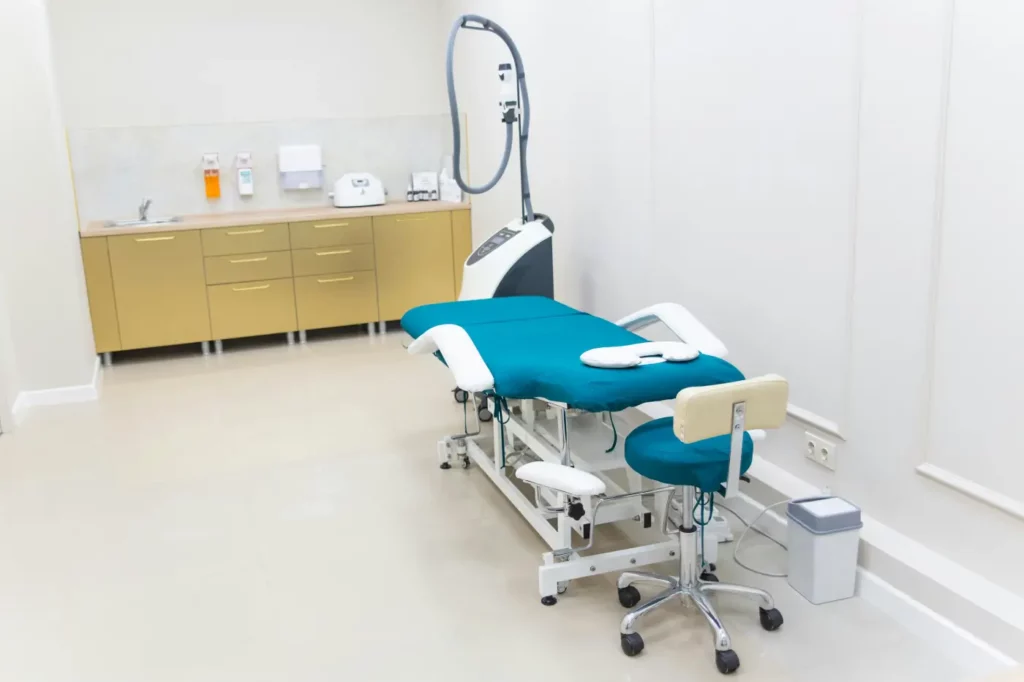
One concern we hear a lot: “What if I finish the course and then don’t treat anyone for a few weeks?” That’s exactly why the Clinic Experience Day exists. It’s day 4 of the Fundamental 5 programme, where you manage a full patient independently – consultation, treatment plan, pricing discussion, and all procedures – with 1:1 supervision. But it’s also available as a standalone session for F5 graduates to return to whenever they need it. Most come back one to three times in their first six months. There’s no limit on how often you book, and you’ll always have a dedicated trainer with you. It’s how you keep your skills sharp while your client base builds.
A portfolio career won’t fix the systemic pressures in the NHS. But it can give you a professional outlet that’s entirely yours – one where patient interactions last longer than five minutes and the work feels genuinely rewarding.
How Do You Get Started?
Over 5,000 delegates have already trained with Avanti Aesthetics Academy, and many of them started exactly where you are right now. Three steps stand between you and a new career path.
Step 1: Confirm your eligibility. You need an active NMC registration as a nurse or midwife. If you’re registered and in good standing, you’re eligible.
Step 2: Choose your foundation training. The Fundamental 5 course at Avanti Aesthetics Academy covers anti-wrinkle injections and dermal fillers with 1:1 clinical practice. All training is led by Dr Rikin Parekh at our Fitzrovia training centre in central London. The course is priced at £3,995.
Step 3: Start building your clinical experience. After training, you’ll build your confidence and client base. Many graduates begin by treating friends, family, and referrals before scaling into a more structured practice.
If you’d like guidance on which training pathway suits your background, speak to a course advisor. They’ll review your clinical experience and recommend the right starting point.
Phone: +44 (0) 207 096 1088
Frequently Asked Questions
Do I need to leave the NHS to work in aesthetics?
No. Many nurses and midwives start aesthetics as a portfolio career alongside their NHS role. You can build your practice gradually, starting with one or two clinic days per month. Some nurses eventually transition fully into aesthetics, but it’s entirely your choice and there’s no pressure to leave your NHS position.
Am I eligible for aesthetics training as a midwife?
Yes. NMC-registered midwives are fully eligible for foundation aesthetics training at Avanti Aesthetics Academy. Midwives bring strong clinical assessment skills and an understanding of patient care that transfers directly into aesthetic practice. The Fundamental 5 course is open to all registered midwives.
How long does it take to start earning from aesthetics?
Foundation training takes a few days. Building a steady income takes longer – typically three to six months for most nurses or midwives who are actively marketing their services and treating clients consistently. Your speed of growth depends on how much time you invest and how effectively you build your referral network.
Do I need a prescribing qualification to practise aesthetics?
You don’t need one to start. Many aesthetic treatments can be administered under a patient group direction (PGD) or prescriber supervision. However, completing the V300 non-medical prescribing qualification does expand the range of treatments you can offer independently and gives you greater clinical autonomy.
How much does the Fundamental 5 course cost?
The Fundamental 5 (F5) foundation course at Avanti Aesthetics Academy is priced at £3,995. This includes hands-on clinical training with a 1:1 student-to-patient ratio, covering both anti-wrinkle injections and dermal fillers. All training takes place at our Fitzrovia training centre in central London and is led by Dr Rikin Parekh.